Biotechnology Why Biotechnology Is Future

Biotechnology is an ever-evolving field that has captured the imagination of scientists, entrepreneurs, and the general public alike. The potential of biotechnology to revolutionize healthcare, agriculture, and industry is enormous. It promises solutions to some of humanity's most pressing challenges, including disease management, food security, and environmental sustainability. But what exactly is biotechnology? How does it really work? In this article, we'll dive deep into the world of biotechnology, exploring its applications, benefits, and the future it holds for us.
What is Biotechnology?
At its core, biotechnology harnesses cellular and biomolecular processes to develop technologies and products that help improve our lives and the health of our planet. This can involve manipulating living organisms or their components—such as DNA, proteins, or cells—to create new products or processes. For instance, genetically modified organisms (GMOs) are an integral part of agricultural biotechnology, designed to enhance crop yields or make plants resistant to pests and diseases.
Additionally, biotechnology plays a crucial role in medicine, particularly in the development of vaccines and therapeutic treatments. The production of insulin, for instance, has been transformed by biotechnological advances, allowing for more efficient and humane methods of sourcing this critical hormone. As we navigate through the intricacies of biotechnology, it becomes increasingly clear that its implications extend well beyond traditional boundaries.
Applications of Biotechnology in Healthcare
One of the most significant applications of biotechnology lies within the realm of healthcare. Innovative biopharmaceuticals—crafted using living organisms—are changing how we approach disease treatment. By leveraging the natural processes of cells, biopharmaceuticals enable the development of targeted therapies that are more effective and less harmful than traditional drugs. Take monoclonal antibodies, for example; they have transformed how we treat conditions, including cancer, autoimmune diseases, and infectious illnesses.
Moreover, the advent of personalized medicine is one of the most exciting developments enabled by biotechnology. This approach tailors medical treatment to each individual's genetic makeup, ensuring that patients receive the most effective therapies with minimal side effects. Imagine selecting a treatment plan based on your unique genetic profile! This is not just a figment of the future but a reality made possible through biotechnological advancements.
Biotechnology in Agriculture
The impact of biotechnology in agriculture cannot be overstated. Farmers face significant challenges, from changing climate conditions to pest infestations, which threaten their livelihoods and our food security. Biotechnology provides tools that can enhance agricultural productivity and sustainability. For instance, genetically modified crops can be engineered to withstand drought, resist pests, and improve nutritional content.
Moreover, biotechnology is paving the way for more sustainable agricultural practices. By reducing the need for chemical pesticides and fertilizers, biotechnological innovations can help mitigate environmental damage while ensuring high crop yields. This not only supports farmers but also contributes to food security by making crops more resilient against unpredictable weather patterns.
Environmental Biotechnology
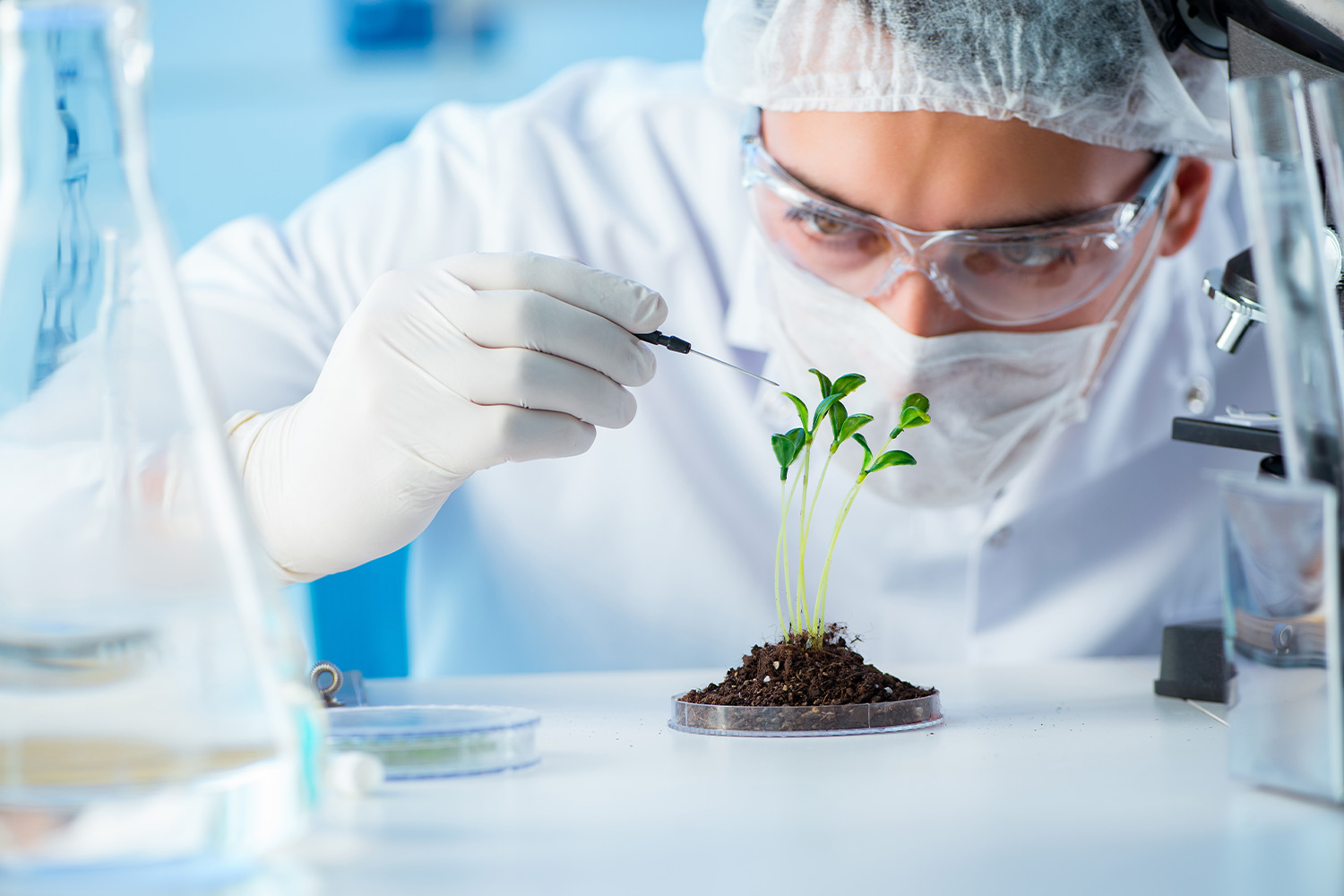
Another essential dimension of biotechnology is its application in environmental conservation. As we grapple with pollution, climate change, and habitat loss, biotechnology offers promising solutions. Bioremediation, for example, employs microorganisms to clean up contaminated environments, such as oil spills or heavy metal pollution. By promoting the natural processes of bacteria and fungi, we can restore ecosystems that have been severely impacted by human activities.
Furthermore, biotechnology enables the development of renewable energy sources. Biofuels, produced from biomass or waste materials, are emerging as sustainable alternatives to fossil fuels. By harnessing biological processes, we can reduce our carbon footprint and advance towards a greener future. If we can convert waste into energy, imagine the possibilities for reducing waste and creating sustainable solutions for energy needs!
The Future of Biotechnology
Looking ahead, the future of biotechnology appears bright and full of promise. With rapid advancements in genomic technologies, such as CRISPR, we are on the brink of remarkable breakthroughs that could redefine how we approach genetics and heredity. These tools allow scientists to edit genes with unprecedented precision, which has implications for everything from agriculture to medicine.
Additionally, as we embrace the potential of synthetic biology, we are opening the doors to creating entirely new organisms designed for specific purposes. Imagine engineered microbes that can produce pharmaceuticals, or crops custom-built to thrive in harsh environments. As researchers and developers continue pushing the envelope of what is possible, we can expect commercialization of these technologies to shape our daily lives significantly.
Ethical Considerations in Biotechnology
Nevertheless, with great power comes great responsibility. As we delve deeper into the intricacies of biotechnology, we must also consider the ethical implications of our actions. Manipulating living organisms raises questions about bioethics, environmental impacts, and social equity. Who owns the genetic information? How do we ensure that biotechnological advancements benefit all of humanity rather than just a select few?
Engaging in open dialogues regarding these concerns is crucial. Societies must work collaboratively—scientists, policymakers, ethicists, and the public—to establish frameworks that guide biotechnological innovations while respecting ethical boundaries. Transparency in research and development processes will foster trust and facilitate public understanding of biotechnology as a powerful tool for good.
The Role of Biotechnology in Food Security
With a global population that continues to grow, ensuring food security has become a pressing concern. Biotechnology offers innovative solutions to increase food production while ensuring sustainability. By developing high-yield crops that are resistant to diseases and pests, biotechnology can help farmers meet the demands of feeding billions of people.
Moreover, biotechnology can improve the nutritional content of our food. Biofortification, which enhances the nutrient profile of crops, is one such approach that can help combat malnutrition in vulnerable populations. Imagine crops enriched with vitamins and minerals, providing essential nutrients to those who need them the most. That's the transformative potential that biotechnology offers for global health and well-being.
Biotechnology and Global Health Challenges
As we face numerous global health challenges—such as pandemics, antibiotic resistance, and chronic diseases—biotechnology stands at the forefront with solutions. The rapid development of mRNA vaccines against COVID-19 exemplifies how biotechnology can respond quickly to emerging threats. Utilizing cutting-edge technologies not only enables faster vaccine production but also fosters collaboration across disciplines.
In our pursuit of health and well-being, we must remember to harness this technology responsibly. Collaborating on a global scale, sharing knowledge, and focusing on inclusivity will ensure that the advancements in biotechnology are accessible to all nations and communities, particularly those hardest hit by health crises.
Education and Awareness Around Biotechnology
To fully harness the potential of biotechnology, education and awareness are vital. An informed public is better equipped to engage in meaningful conversations about biotechnology and its implications for our world. By fostering science literacy and promoting understanding, we can dispel myths and reduce fears associated with biotechnology.
Initiatives aimed at educating the next generation in biotechnology will pave the way for innovative thinkers who can navigate the complexities of these technologies. Workshops, community outreach programs, and educational materials are essential to ignite interest in biotechnology among young minds. After all, the future of biotechnology relies on the innovators who will rise to the occasion and shape the impact of this dynamic field.
The Symbiosis of Biotechnology and Technology
The intersection of biotechnology and technology has sparked a wave of innovations. Combining synthetic biology, artificial intelligence, and big data analytics is leading to unprecedented advancements across multiple sectors. For instance, AI-powered applications now analyze biological data at lightning speed, allowing researchers to glean insights that would have taken years to uncover.
This synergy between biotechnology and technology is a game changer. It means faster discoveries, improved processes, and more personalized solutions for the public. The possibilities are endless when technology complements biotechnology, leading to effective approaches to address complex challenges in augmented healthcare, environmental protection, and agricultural practices.
A Call to Action for Biotechnology Innovation
In conclusion, the world of biotechnology is brimming with potential and opportunities. However, with this potential comes a shared responsibility to innovate ethically and inclusively. We must challenge ourselves to think critically about the implications of our scientific advancements while working towards a common goal: to improve the quality of life for all.
This is a call to action—not only for scientists and innovators but for every individual. Engage in discussions, participate in educational initiatives, and advocate for responsible biotechnological advancements. Together, we can shape a future where biotechnology addresses the most pressing challenges of our time, fosters social equity, and promotes environmental stewardship. Embrace the journey, and let us together secure a brighter and sustainable future through biotechnology!
0 Response to "Biotechnology Why Biotechnology Is Future"
Post a Comment